

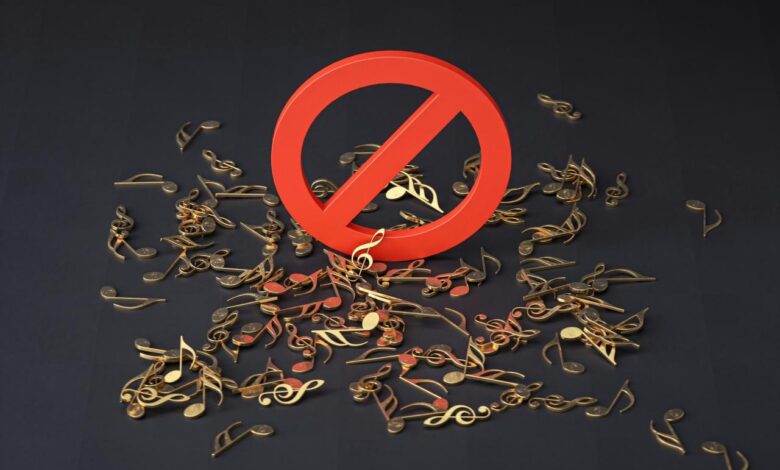
The digital music landscape undergoes a massive transformation as artificial intelligence shifts from a simple creative tool to a robust shield for intellectual property.
Musicians and producers now face an era where their original compositions can be replicated or mimicked in seconds, making traditional protection methods feel outdated and slow.
This new reality demands a sophisticated approach that combines machine learning with legal frameworks to ensure that human creativity remains the primary value in the industry.
Protecting a melody or a unique vocal texture is no longer just about filing paperwork with a central office; it involves embedding digital DNA into the very fabric of the sound itself.
As streaming platforms become more crowded, the ability to distinguish between authentic human work and unauthorized synthetic copies becomes the ultimate competitive advantage for independent artists.
This article explores how modern technological breakthroughs provide a comprehensive safety net for creators who want to monetize their work without the constant fear of digital theft.
We will look at the specific mechanisms that identify infringement, the legal shifts surrounding machine-generated content, and the proactive steps you can take to keep your catalog secure.




Sophisticated Audio Fingerprinting and Watermarking Systems
The first line of defense in the modern era is the implementation of audio fingerprinting and invisible watermarking. These technologies work by analyzing the unique spectral characteristics of a song and creating a mathematical representation that is nearly impossible to forge.
Unlike traditional metadata which can be easily stripped away by a pirate or a third-party uploader, these embedded signals stay with the file even through compression and format changes. This ensures that wherever your music travels, its identity remains intact and verifiable by automated scanning systems.
A. Advanced Spectral Mapping
The system breaks down the audio into short segments and analyzes the frequency distribution to create a “fingerprint” that serves as a unique identifier for that specific recording.
This process allows platforms to recognize your music even if it is played in the background of a noisy video or slightly altered in tempo. From my perspective, this is a game-changer for independent artists who lack the resources to manually monitor every corner of the internet for unauthorized use.
B. Inaudible Digital Watermarking
This technique involves embedding a hidden layer of data directly into the audio signal that the human ear cannot detect but specialized software can read instantly.
It functions like a digital stamp of ownership that persists even if the song is re-recorded or heavily edited. I believe this provides a crucial layer of “forensic” evidence that can be used to prove the origin of a file in a legal dispute.
C. Real-Time Distribution Scanning
Many AI-driven services now offer continuous monitoring across social media and streaming sites to detect fingerprints that match your registered works.
When a match is found, the system can automatically issue a notice or claim the revenue generated by the unauthorized upload. This solves the reader’s problem of “hidden” piracy by acting as an automated digital bounty hunter that never sleeps.
D. Dynamic Signature Updates
As audio editing tools become more advanced, fingerprinting technology evolves to include more data points such as rhythmic patterns and harmonic structures.
This ensures that even “transformative” uses of your music can be traced back to the original source. My take is that this level of detail is necessary to stay ahead of bad actors who try to bypass simple filters by changing the pitch or EQ.
Blockchain Integration for Immutable Rights Management
While AI identifies the content, blockchain technology provides the “source of truth” for who actually owns the rights to that content. By creating a decentralized ledger of ownership, artists can ensure that their copyright information is transparent, unchangeable, and accessible to anyone who needs to verify a license.
This synergy between AI detection and blockchain recording creates a high-trust environment where royalties can be distributed with unprecedented precision and speed.
A. Decentralized Copyright Ledgers
Every time a new song is created, the owner can register it on a blockchain to create a permanent, time-stamped record of their claim.
This acts as an ironclad proof of creation that does not rely on a single central authority that could be hacked or corrupted. In my view, this is the most reliable way to establish a “prior art” claim if someone else tries to steal your composition.
B. Automated Smart Contracts
Smart contracts allow artists to program their licensing terms directly into the music’s digital infrastructure, so payments are triggered automatically when the music is used.
This eliminates the need for middleman services and ensures that the creator gets their fair share of the revenue without delay. This helps solve the reader’s problem of late or missing royalty checks by removing human error from the payment process.
C. Transparent Royalty Auditing
Because the blockchain is public and immutable, every transaction related to a song can be tracked by the rights holder in real-time.
This level of transparency makes it much harder for platforms to underreport play counts or hide revenue streams. I see this as a vital tool for empowering artists to demand better terms from the giants of the streaming industry.
D. Tokenized Licensing Agreements
Creators can issue digital tokens that represent specific usage rights, such as for a podcast intro or a background track in a commercial.
These tokens can be easily bought, sold, or verified, making the licensing process as simple as a standard online purchase. From my perspective, this opens up new revenue streams for musicians by making their work more accessible to small-scale content creators.
Ethical AI Frameworks and Human Authorship Verification
The legal landscape is shifting toward a model where only music with significant human involvement can be granted full copyright protection. AI tools are now being designed to “prove” this human involvement by logging the creative process and distinguishing it from purely machine-generated outputs.
This ensures that professional musicians who use AI as an assistant can still own their work, while preventing the market from being flooded by low-quality, automated “mood music” that lacks legal standing.
A. Traceable Creative Logs
Modern AI music workstations can maintain a detailed audit trail of every decision made by the human user, from lyric edits to melody adjustments.
This log serves as evidence for copyright offices to prove that the machine was a tool and not the primary author. I believe that keeping these digital “receipts” of your creative process will be the standard requirement for all professional productions moving forward.
B. Data Attribution Models
New frameworks ensure that the AI models themselves are trained only on licensed datasets, giving original artists credit and compensation when their style influences a new work.
This prevents the “black box” problem where an AI creates something that sounds suspiciously like a famous artist without their permission. This solves the reader’s problem of “vocal cloning” or “style theft” by forcing developers to be transparent about their training data.
C. Human Authenticity Scoring
Some platforms have begun using AI to analyze audio for “human” flaws and expressive nuances that are difficult for current generative models to replicate perfectly.
A high authenticity score can help an artist stand out in a sea of synthetic content and command higher licensing fees. My take is that leaning into your unique “human” sound is actually your best defense against being replaced by an algorithm.
D. Collaborative Rights Splitting
When multiple humans and AI tools are involved in a project, specialized software can now calculate the exact contribution of each party to determine fair royalty splits.
This avoids messy legal battles over who “owns” a collaborative track and ensures everyone is paid fairly. From my perspective, this clarity is essential for the future of remote, tech-heavy collaborations.
Conclusion
Protecting your music is now a digital necessity. The tools for defense are more powerful than ever. You must be proactive in registering your original works. Technology should serve your creativity and not replace it. Modern systems can track your audio across the globe.
This ensures you never miss a royalty payment. Legal clarity is finally arriving for AI-assisted music. Humans remain the heart of the music industry. Innovation provides a shield against digital piracy.
Your unique sound is your most valuable asset. Always use platforms that respect intellectual property. The future of music is both secure and bright.